
Kyanguli Boys High School Fire Tragedy (2001): Full Story, Court Ruling, and Its Impact on School Safety in Kenya
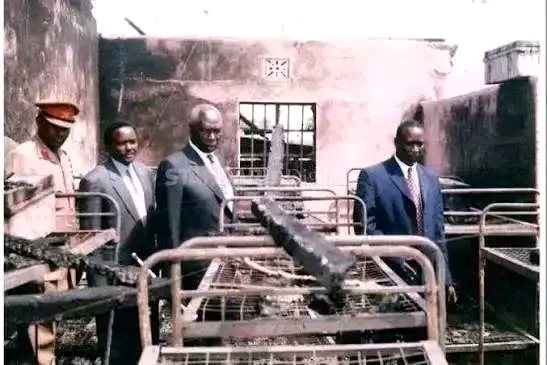
The Kyanguli Boys High School fire tragedy remains one of the darkest moments in Kenya’s education history. On the night of March 25, 2001, a dormitory fire broke out at the school, killing 67 students in an incident that shocked the nation and changed how boarding school safety is viewed in Kenya.
More than two decades later, the tragedy continues to raise difficult questions about student welfare, school discipline, emergency preparedness, and institutional accountability, including the responsibilities of the Teachers Service Commission.
This article provides a complete, structured breakdown of what happened, why it happened, the court ruling, compensation, and its long-term impact on Kenya’s education system.
Overview of the Kyanguli Fire Tragedy
The fire at Kyanguli Boys High School was not an ordinary accident. It unfolded in the early hours of the morning inside a boarding school dormitory, trapping students as flames spread rapidly.
Key facts:
- Date: March 25, 2001
- Location: Kyanguli Boys High School, Kenya
- Victims: 67 students died
- Incident type: Dormitory fire
- Cause (as investigated): Suspected arson
The tragedy became one of the most widely studied school disasters in Kenya’s history.
Background: Tensions Before the Fire
Before the incident, there were reported signs of unrest within the school. Although these warnings were not acted upon decisively, they later became central to investigations and court discussions.
Some of the reported issues included:
- Rising tension between students and administration
- Allegations of strict or heavy-handed discipline
- Pressure related to school fees arrears
- Academic stress following examination concerns
- Earlier suspected attempts to set school property on fire
These warning signs suggested growing instability within the student environment.
What Happened on the Night of March 25, 2001
The fire broke out around 1:00 AM when most students were asleep inside the dormitory.
According to survivor accounts:
- Students were awakened by screams and smoke
- A strong smell of petrol was detected inside the dormitory
- The fire spread extremely fast after ignition
- A loud explosion was heard moments after the fire started
Some students had earlier noticed suspicious activity, including liquid on the floor, but the situation escalated before a full response could be organized.
Within minutes, the dormitory was engulfed in flames.
Why the Fire Became Deadly
The high death toll was not only due to the fire itself but also structural and safety weaknesses in the dormitory.
Key factors included:
1. Locked and Blocked Exits
- One door was reportedly padlocked from the outside
- Limited accessible escape routes slowed evacuation
2. Metal Window Grills
- Windows were fitted with metal grills
- Students could not escape through them despite the fire
3. Rapid Fire Spread
- Petrol is highly flammable and accelerated the spread of fire
- Smoke and heat quickly filled the dormitory
4. Panic and Confusion
- Students were trapped in darkness and smoke
- Movement toward exits became chaotic and congested
Most victims were later found near exit points, indicating attempts to escape.
Investigation and Arrests
Following the tragedy, two students were arrested and charged in connection with the fire.
- One suspect initially confessed involvement
- The same suspect later retracted the confession, claiming coercion
- The case involved prolonged court proceedings in Nairobi
- Legal arguments focused on both individual actions and institutional responsibility
The case became one of Kenya’s most complex juvenile crime trials.
Lawsuit Against School and Government Institutions
After the tragedy, families of the victims filed a civil lawsuit seeking justice and compensation.
The case named several defendants:
- School administration
- Principal and deputy principal
- Board of Governors
- Government authorities
- The Teachers Service Commission
- The Attorney General
The families argued that:
- Warning signs of arson were ignored
- Previous incidents were not properly investigated
- School safety measures were inadequate
- Authorities failed in their duty of care
Court Ruling: 15 Years Later (2016 Judgment)
After nearly 15 years of hearings, the High Court delivered a landmark judgment in 2016.
Compensation Awarded:
- Total compensation: Ksh 40.9 million
- Each family received approximately Ksh 650,000 for pain and suffering
Court Findings:
Justice Joseph Sergon ruled that:
- There had been earlier attempts to burn the school
- The administration failed to act on warning signs
- The school had a legal duty to protect students in its care
- Negligence contributed to the scale of the disaster
The ruling set an important legal precedent on institutional responsibility in Kenyan schools.
Government Compensation (2019 Settlement)
In 2019, the Kenyan government finalized additional compensation:
- Total payout: Ksh 54 million
- Each affected family received approximately Ksh 857,000
This payment brought financial closure to many families, although emotional recovery remains ongoing.
Impact on Kenya’s Education System
The Kyanguli tragedy triggered national reflection on boarding school safety and led to several important changes in education policy discussions.
Key Impacts:
1. Improved School Safety Awareness
Schools began paying more attention to dormitory safety and student supervision.
2. Emergency Preparedness
Increased emphasis on:
- Fire drills
- Evacuation procedures
- Safety inspections
3. Discipline and Student Welfare Debate
The tragedy intensified debate on:
- Student punishment methods
- Teacher-student relationships
- Mental health and student stress
4. Institutional Accountability
Greater scrutiny of school management systems and oversight bodies such as the Teachers Service Commission.
Memorial and Legacy
Today, Kyanguli Boys High School remains a site of remembrance. The school compound includes mass graves where the victims were laid to rest.
The memorial serves as:
- A reminder of the lives lost
- A symbol of the importance of school safety
- A warning against neglecting early danger signs
For many Kenyans, Kyanguli remains a powerful lesson in the consequences of institutional failure.
Conclusion
The Kyanguli Boys High School fire tragedy of 2001 is not only a story of loss but also a critical lesson in school safety, accountability, and crisis response.
The incident highlighted the importance of acting on early warning signs, ensuring safe boarding environments, and maintaining strong institutional oversight within Kenya’s education system.
Even today, it remains one of the most significant case studies in school disaster management and continues to influence education policy discussions across the country